 Not yet measured
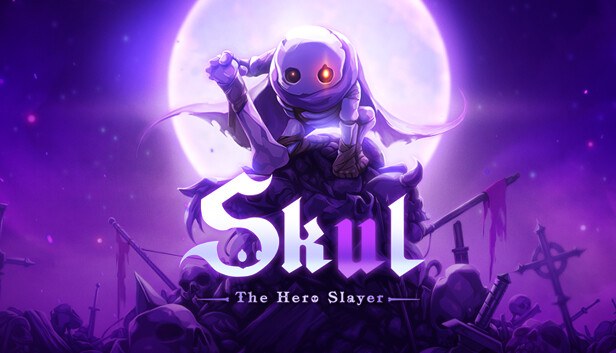
Skul: The Hero Slayer — system requirements & benchmark status
This game is in the catalog, but no published review benchmarks have been collected for it yet — so this page carries no frame-rate numbers, no verdicts and no estimates. Below are the publisher's own system requirements and what they say about the hardware the game targets. A game joins the calculator only when published review benchmarks cover both its CPU and GPU sides.
Developer: SOUTHPAW GAMES · Publisher: NEOWIZ · Released: Jan 20, 2021 · Genres: Action, Indie
Game facts and system requirements are as published on Steam (checked 4 November 2026).
On Steam: the store page — the publisher's listing, with trailers and screenshots. (Steam has no affiliate program; this link earns us nothing.)
System requirements — Skul: The Hero Slayer
As published by the publisher on Steam (checked 4 November 2026). Requirements are the publisher's target figures, not measurements — they describe the hardware the developer aims at, not the frame rate any part delivers.
| Component | Minimum (Steam) | Recommended (Steam) |
|---|---|---|
| OS * | Windows 7+ | Windows 7+ |
| Processor | Dual core from Intel or AMD at 2.8 GHz | Dual core from Intel or AMD at 2.8 GHz |
| Memory | 4 GB RAM | 8 GB RAM |
| Graphics | Nvidia 450 GTS / Radeon HD 5750 or better | Nvidia GTX 460 / Radeon HD 7800 or better |
| DirectX | Version 11 | Version 12 |
| Storage | 1 GB available space | 2 GB available space |
| Additional Notes | DirectX 9.1+ or OpenGL 3.2+ | DirectX 9.1+ or OpenGL 3.2+ |
Hardware demand level
Low — estimated from the graphics card named in the recommended requirements above (GTX 460). The demand level classifies the publisher's published requirements only; it is not a benchmark result and predicts no frame rate.
Benchmark status
Not yet measured. Bottleneck Verdict adds a game to the calculator when published review benchmarks cover both sides at the game's highest settings, native resolution, no upscaling — the same bar the measured games met. Until then this page claims no performance figures for Skul: The Hero Slayer.
Games that are measured today: browse the catalog — measured games are listed first, each with its measured CPU ceilings and GPU results by resolution, plus clearly labelled estimates for parts that were not measured.